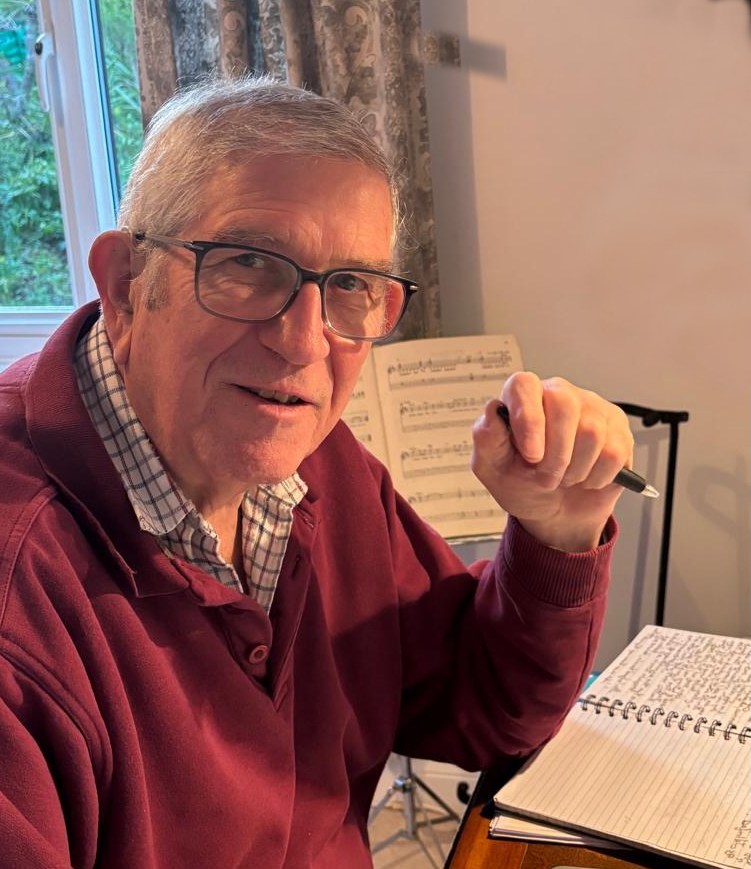
George J Tippett was born in 1952 in Abingdon, into a military family. He decided to follow his mother, father and two grandfathers and joined the army himself in 1970. He was selected to go to RMA Sandhurst the next year. After almost twenty-five years' service, including tours with artillery units, finance posts and staff appointments, he left to try his hand in commerce. With colleagues he formed a biotech company and ran it for twenty years as MD. At 68 years of age he decided to retire. He now spends his time travelling between family in Scotland and Spain, golfing, and playing his guitar and singing folk and country music. An old friend provided the impetus to put the stories running around inside his head down on paper. This first novel is the result.
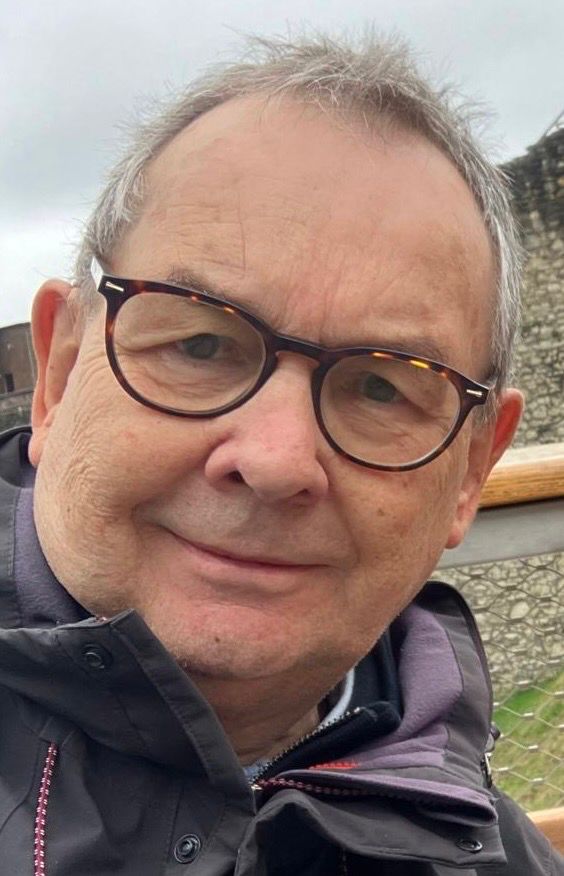
David May grew up in Cornwall and is a retired structural engineer now living in Winchester where he is a cathedral volunteer and a walker on the Hampshire Downs. The poems of his South Downs Way collection were inspired by walking the 100-mile National Trail from Winchester to Eastbourne in the summer of 2025.
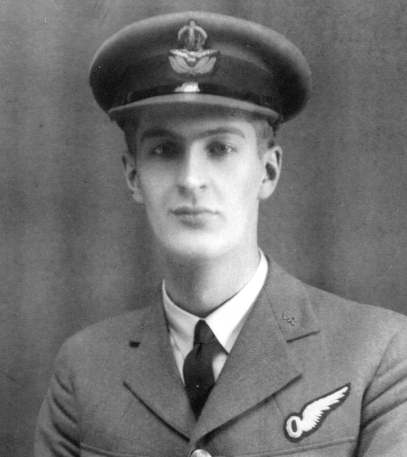
Fred Pritchett volunteered for the RAF as soon as he was old enough, in 1941. Too tall to be a fighter pilot, and an extremely able mathematician, he was trained as a navigator, in which role he excelled. Fred was posted to various theatres of war, the most significant being in North Africa where, as part of a two-man Beaufighter crew, he saw a great deal of action in the bitter Mediterranean campaigns. After the war Fred married and became a senior partner and lecturer in business management. Fred enjoyed a long and happy retirement, of travel, gardening and golf. His many wartime reminiscences have been recorded and put - lightly edited - into book form by his daughter, Cheryl.
P. R. Jennings has travelled widely, earning his living from a combination of writing and teaching. His novels bring together his background in Literature and lifelong interest in ideas which challenge orthodoxy. He was educated at Bristol Grammar School and St Peter's College, Oxford, where he read English. Following 'W. B. Yeats and the Secret Masters of the World' and 'Tolkien and the Dangerous Truth', P R Jennings' third novel is set in England and Wales and completes the story begun in 1899, when W. B. Yeats thwarted Oberon's plan to advance evolution via genocide. In doing so, he inadvertently banished fairies and opened the door to very different beings indeed.
Wendy Couchman, the editor and illustrator of Flora’s wartime diary, lives in Hampshire and is an artist and a retired academic from health and social care education. Her art practice is informed by her professional background to tell human stories. She is a great fan of graphic novels and the power of the form to communicate through a combination of visuals and text.
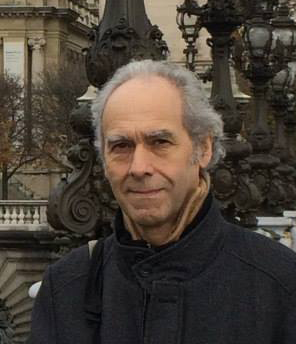
John S. Frisby was born in Waterford, Eire, and educated in The London Oratory and Goldsmiths College, London University. He qualified as a Physics teacher at Southampton University and taught for twenty years in Hampshire schools. Aged 18 and working as a trainee insurance broker in Piccadilly, John took stock of his life and bought a one-way coach ticket to Athens, spending the next three months swimming and exploring in the Greek islands. At the starry midnight of his twentieth birthday he ducked under an amazingly low-flying Perseids meteor, thinking, 'I've got to know how all this works!' Arriving in Marseille and promptly having his passport stolen, John apple-picked in Aix-en-Provence, harvested grapes in Bezier and Carcassonne and went to Paris for the winter with friends he had met on his travels. He remained there, working, studying and discovering the City of Light for a year and a half, before returning to England to complete his studies. Thirty-odd years later, in a motorhome in Spain, still with that sense of life's wonder and reading about the French mathematical genius Blaise Pascal, John started writing Pascalene.